Kindergarten Readiness Checklist for Parents
Starting kindergarten is a big step for your little one. It’s exciting, a bit nerve-wracking, and full of new experiences. As a parent, you want to make sure your child is ready to take on this adventure with confidence and joy. That’s why having a kindergarten readiness checklist can be a lifesaver. It helps you keep track of everything your child needs to thrive in their first year of school.
Let’s walk through some important things to consider and prepare for. I’ll share practical tips, examples, and gentle reminders to make this transition as smooth as possible for both you and your child.
Creating Your Kindergarten Readiness Checklist
Before your child’s first day, it’s helpful to have a clear list of what to prepare. This checklist covers everything from school supplies to emotional readiness. Here’s a simple way to organize your tasks:
School supplies and clothing: Make sure your child has the right backpack, lunchbox, and clothes that are easy to manage.
Health and safety: Check immunizations, schedule a health checkup, and talk about hygiene habits.
Social skills: Encourage sharing, taking turns, and expressing feelings.
Basic academic skills: Practice letters, numbers, and simple instructions.
Daily routines: Establish consistent bedtime and morning routines.
Having this list handy will help you feel more in control and less overwhelmed. Plus, it gives your child a sense of security knowing what to expect.
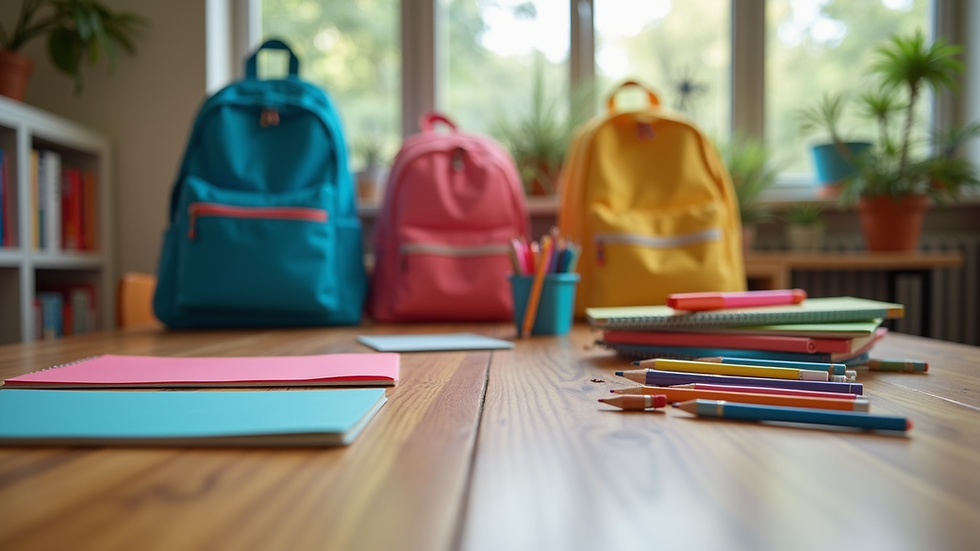
Kindergarten Readiness Checklist: What to Focus On
When I think about what really matters for kindergarten readiness, I break it down into a few key areas. These are the building blocks that help children feel confident and excited about school.
1. Emotional and Social Skills
Kindergarten is not just about learning ABCs and 123s. It’s also about making friends, following rules, and managing emotions. Here’s what to encourage:
Saying hello and goodbye without tears
Sharing toys and taking turns during play
Listening to the teacher and following simple directions
Using words to express feelings like happy, sad, or frustrated
You can practice these skills at home with role-playing games or playdates. It’s amazing how much kids learn just by watching and copying.
2. Independence and Self-Care
Your child will feel proud when they can do things on their own. Help them practice:
Putting on and taking off their coat and shoes
Using the bathroom independently
Washing hands properly
Opening lunch containers and snacks
These small wins build confidence and reduce stress on the first day.
3. Basic Academic Skills
Kindergarten teachers don’t expect perfection, but some familiarity helps. Try these activities:
Recognizing and naming letters and numbers
Holding a pencil and coloring inside the lines
Listening to stories and answering simple questions
Counting objects and sorting by color or shape
Make learning fun with games, songs, and books. The goal is curiosity, not pressure.
4. Physical Readiness
Kindergarten involves a lot of moving around. Encourage:
Running, jumping, and climbing during playtime
Using scissors and glue for crafts
Sitting still for short periods during storytime
Physical skills support focus and participation in class activities.
What Does a Child Need to Know Before They Go to Kindergarten?
This question comes up a lot, and the answer is both simple and complex. Children don’t need to know everything perfectly, but there are some basics that help them feel ready.
Language and Communication
Your child should be able to:
Speak in complete sentences
Understand and follow two-step directions (e.g., “Please pick up your book and put it on the shelf.”)
Ask for help when needed
Share ideas and stories during conversations
Numbers and Letters
It’s helpful if your child can:
Recognize some letters of the alphabet, especially those in their name
Count to 10 or higher
Understand simple concepts like big/small, more/less
Social Understanding
Children should start to:
Play cooperatively with others
Take turns and share
Show empathy by recognizing others’ feelings
Self-Regulation
This means your child can:
Wait patiently for their turn
Calm down after being upset
Stay focused on a task for a few minutes
Remember, every child develops at their own pace. Celebrate progress, not perfection.

Tips for a Smooth Transition to Kindergarten
Starting school is a big change. Here are some ways to make it easier for your child:
Visit the school ahead of time: Walk around the playground, meet the teacher, and see the classroom if possible.
Read books about starting school: Stories help children understand what to expect.
Practice the daily routine: Wake up, eat breakfast, and get dressed at the same time as school days.
Talk about feelings: Let your child share their worries and excitement.
Stay positive: Your attitude influences how your child feels about school.
These small steps build a foundation of trust and excitement.
Preparing Yourself and Your Family
It’s not just the child who needs preparation. Parents and families play a huge role in this journey.
Organize paperwork early: Registration forms, health records, and emergency contacts should be ready.
Plan transportation: Know the bus schedule or carpool arrangements.
Set up a homework and reading space: A quiet, cozy spot encourages learning at home.
Connect with other parents: Building a support network can be comforting and helpful.
Taking care of these details reduces stress and lets you focus on supporting your child emotionally.
Your Next Steps with the Kindergarten Checklist
Now that you have a clear picture of what to prepare, it’s time to put it all together. You can find a detailed kindergarten checklist that covers everything from supplies to skills. Use it as a guide to track your progress and celebrate milestones.
Remember, this is a journey you and your child are on together. With patience, love, and a little planning, you’ll both be ready to enjoy the wonderful adventure of kindergarten.
Starting kindergarten is a big milestone, but it’s also the beginning of a lifelong love of learning. By focusing on these key areas and using a thoughtful checklist, you’re setting your child up for success. Here’s to a joyful, confident start to school!




Comments