The Ultimate Kindergarten Readiness Checklist
Starting kindergarten is a big milestone for both children and their families. It marks the beginning of a new chapter filled with learning, socializing, and growing independence. Preparing your child for this transition can make the experience smoother and more enjoyable. This ultimate kindergarten readiness checklist will guide you through the essential skills and preparations your child needs to thrive in their first year of school.
Building a Strong Foundation: The Kindergarten Readiness Checklist
Getting ready for kindergarten involves more than just knowing the alphabet or numbers. It includes emotional, social, physical, and cognitive skills that help children adapt to the school environment. Here’s a comprehensive checklist to help you assess and support your child’s readiness:
Social Skills
- Can your child share toys and take turns?
- Do they show empathy and understand others’ feelings?
- Are they comfortable interacting with peers and adults?
Emotional Skills
- Can your child manage separation from parents without distress?
- Do they express their needs and feelings clearly?
- Are they able to follow simple instructions and routines?
Language and Communication
- Does your child speak in complete sentences?
- Can they recognize and name common objects and colors?
- Are they able to listen and respond to stories or conversations?
Cognitive Skills
- Can your child count to at least 10?
- Do they recognize basic shapes and letters?
- Are they curious and eager to learn new things?
Physical Development
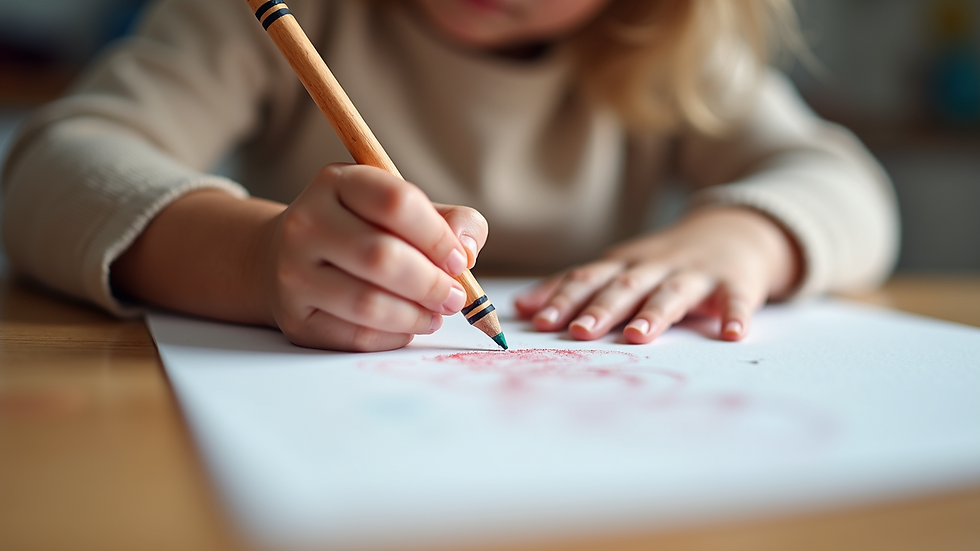
- Can your child hold a pencil and use scissors safely?
- Are they able to dress themselves, including buttons and zippers?
- Do they have basic coordination for running, jumping, and climbing?
Self-Care Skills
- Can your child use the bathroom independently?
- Do they wash their hands properly?
- Are they able to eat independently with minimal mess?
This checklist is a helpful tool to identify areas where your child may need extra support before starting kindergarten. Remember, every child develops at their own pace, so use this as a guide rather than a strict rulebook.

What Does a Child Need to Know Before They Go to Kindergarten?
Understanding what your child should know before kindergarten can help you focus your efforts on key areas. Here are some important skills and knowledge your child should have:
Basic Literacy
Recognizing letters, especially those in their name, is a great start. Familiarity with the alphabet song and simple rhymes can boost phonemic awareness.
Numeracy Skills
Counting objects, understanding simple patterns, and recognizing numbers up to 10 or 20 prepare children for math lessons.
Following Directions
Kindergarten involves listening to teachers and following multi-step instructions. Practice this at home with simple tasks like "Please pick up your toys and then wash your hands."
Personal Information
Your child should know their full name, parents’ names, and basic contact information. This helps in emergencies and builds confidence.
Social Interaction
Encouraging playdates and group activities helps children learn cooperation, sharing, and conflict resolution.
Routine Awareness
Familiarity with daily routines such as meal times, nap times, and clean-up times helps children adjust to the school day structure.
By focusing on these areas, you can help your child feel more confident and ready to embrace the kindergarten experience.
Encouraging Independence and Confidence
One of the most important aspects of kindergarten readiness is fostering independence. Children who feel capable of managing their own needs tend to have a more positive school experience. Here are some practical ways to encourage independence:
Practice Dressing Skills
Let your child choose their clothes and practice putting them on. Teach them how to manage buttons, zippers, and shoes.
Self-Help Tasks
Encourage your child to pack their backpack, open lunch containers, and clean up after activities.
Problem-Solving
Present simple challenges and guide your child to find solutions. For example, if a puzzle piece doesn’t fit, ask them to try a different spot.
Positive Reinforcement
Praise efforts and celebrate successes to build self-esteem.
Role-Playing
Act out school scenarios like meeting a teacher or making a new friend to reduce anxiety.
These steps help children develop the skills and confidence they need to navigate the kindergarten environment independently.
Preparing Your Child Emotionally for Kindergarten
Starting school can be an emotional rollercoaster for young children. They may feel excited, nervous, or even scared. Helping your child manage these feelings is crucial for a smooth transition.
Talk Openly About School
Discuss what a typical day will look like. Use books or videos about starting school to make the concept familiar.
Visit the School
If possible, take your child to visit the kindergarten classroom, playground, and meet the teacher.
Establish Goodbye Rituals
Create a special way to say goodbye each morning to provide comfort and consistency.
Encourage Expression
Let your child talk about their feelings and validate their emotions.
Stay Positive
Share your own positive experiences about school to build excitement.
By addressing emotional readiness, you help your child feel secure and supported as they begin this new adventure.
Tips for Parents: Supporting Your Child’s Kindergarten Journey
Your involvement plays a key role in your child’s success. Here are some actionable tips to support your child before and during kindergarten:
Create a Routine
Establish consistent bedtimes, meal times, and morning routines to build structure.
Read Together Daily
Reading aloud enhances language skills and fosters a love of learning.
Encourage Curiosity
Explore nature, ask questions, and engage in educational games.
Communicate with Teachers
Stay informed about your child’s progress and collaborate on any concerns.
Limit Screen Time
Encourage active play and hands-on learning instead of passive screen use.
Prepare School Supplies Together
Let your child choose some supplies to build excitement and ownership.
Practice Patience
Remember that adjustment takes time. Celebrate small milestones.
By following these tips, you create a supportive environment that nurtures your child’s growth and readiness for kindergarten.
Starting kindergarten is a significant step filled with new experiences and opportunities. Using this ultimate kindergarten readiness checklist, you can confidently prepare your child for a successful and joyful start to their educational journey. For a detailed and printable version of the kindergarten checklist, visit the linked resource to help you stay organized and focused on your child’s needs.




Comments